



Can You Really Eat Your Way Out Of A Hangover?
A nutritionist-approved guide to the foods that help and the ones that can make things worse…

Written by: Samantha Nice
Written on: 10 December 2025
If there’s one universal truth about hangovers, it’s that they hit far more than just your head. Your liver is overwhelmed, your gut is inflamed, your nervous system is scrambled, your electrolytes are depleted, and your blood sugar is all over the place. While fast food may feel like the only thing that will save you, it’s actually the last thing your body needs.
The good news? You can eat your way through a hangover… just not with the foods you think. When you understand what’s actually going wrong inside your body (chemically, metabolically, neurologically), the foods that genuinely help become much clearer.
We spoke with nutritionist Jenna Hope, who breaks down what’s going on, what not to do and the foods and natural remedies that actually support recovery. Here’s your complete morning-after survival guide.
So, what’s happening during a hangover?
A hangover isn’t just caused by one thing. It’s actually the result of several systems under stress all at the same time. “As the body focuses on metabolising alcohol, often regular metabolism and digestion can be impaired,” explains Jenna. “Alcohol can also contribute to inflammation in the gut which can lead to bloating and changes in bowel habits.”
The liver takes the biggest hit. As it breaks alcohol down, it produces acetaldehyde, a highly reactive compound behind many of your symptoms. “When a significant amount of alcohol is consumed, the acetaldehyde can build up and contribute to symptoms such as nausea, vomiting, increased heart rate and shaking,” she says. Your nervous system is also thrown off balance, hence the ‘hangxiety’. “Alcohol can contribute to depleting GABA and serotonin which can leave you feeling anxious the next day,” notes Jenna.
Put simply, every major system is under strain which is why hangover recovery is never about one single hack. Instead, it requires supporting each of these systems strategically.
What not to do the morning after
Before we get into what helps, here’s what definitely doesn’t.
1. Don’t reach for greasy fast food
A classic hangover craving, we’re sorry to say that this is one of the worst things you can do. “Fast foods can often worsen the inflammation which is already occurring as a result of the alcohol consumption,” says Jenna. “Foods high in saturated fats can disrupt the gut lining which can contribute to inflammatory symptoms such as pain, discomfort and bloating.” This all irritates an already inflamed gut and salt worsens dehydration. Trust us when we say the short-term dopamine hit is not worth the long-term crash.
2. Don’t rely on plain water alone
You need minerals, not just liquid. “Electrolytes are incredibly important for supporting a hangover,” says Jenna. “Alcohol contributes to dehydration and a drastic loss in key nutrients such as sodium, potassium, chloride and magnesium. It’s essential to replace these losses,” she adds. Go for electrolytes over water every time.
3. Don’t start your day with caffeine or sugar
Your nervous system has already taken a hit so starting with coffee is going to make matters worse. Coffee on an empty stomach can also cause increased gut irritation, worsened dehydration, amplified hangxiety and even nausea. Jenna always recommends eating before coffee, if at all. Sugar is just as problematic, causing rapid spikes and crashes in blood glucose.
The foods, natural remedies and supplements that can actually help you recover faster
Hangover food isn’t about comfort - it's about chemistry. As Jenna explains, your liver uses glutathione, NAD+ and B-vitamins to detoxify alcohol so the smartest foods are the ones that help replenish the very systems alcohol depletes. Here are some of the best ones to help:
Electrolytes to properly restore hydration
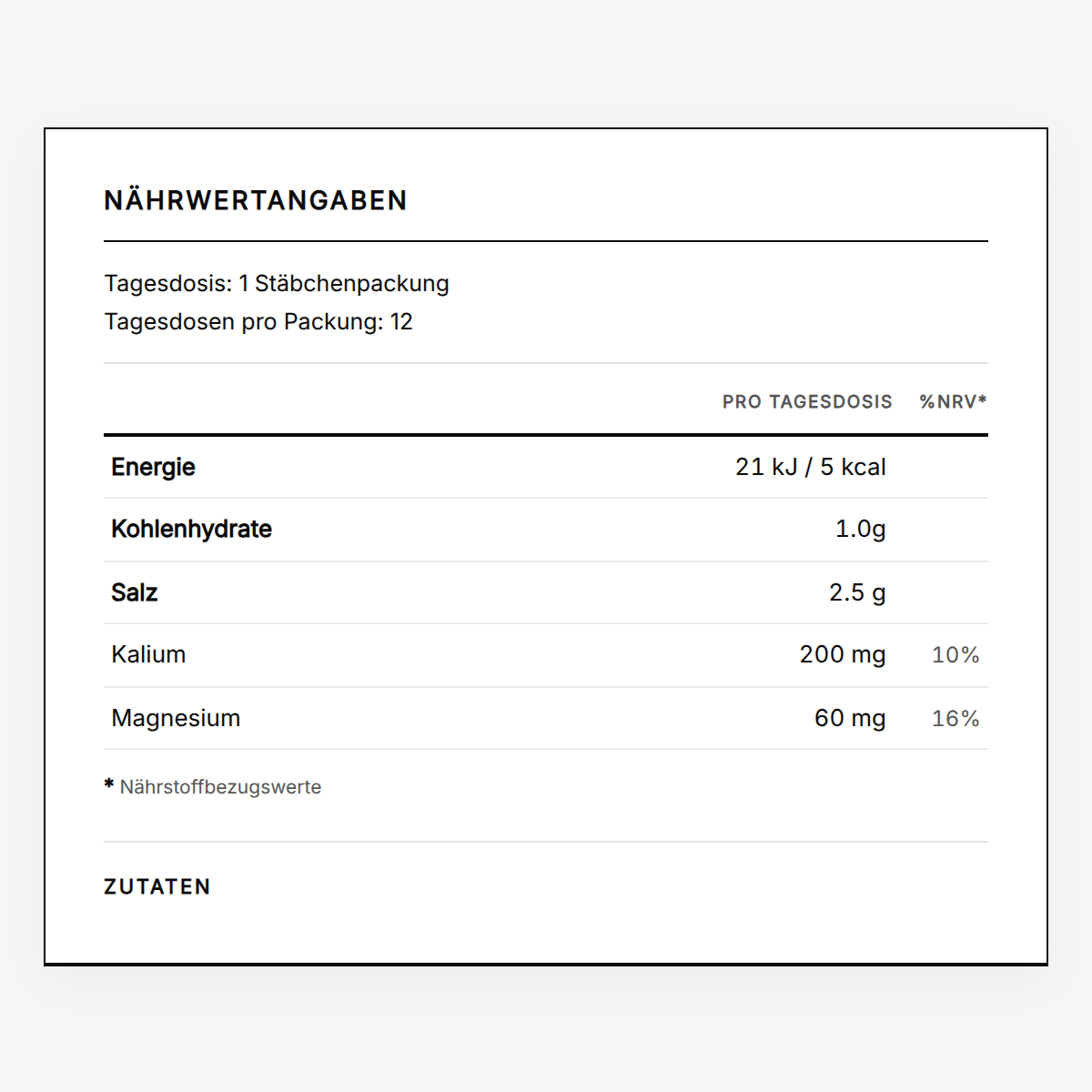
As Jenna explained, electrolytes are a must for replacing the minerals alcohol depletes and helping your body actually hold onto the fluid you drink. Look for a formula without added sugar for fast, efficient cellular rehydration, and sip it slowly if you’re still feeling sick. If you take one thing, make it this.

Coconut water for natural electrolyte replenishment
If you can’t tolerate electrolyte powders, coconut water is an excellent gentler option. “This is a natural electrolyte drink which can help to replace magnesium and potassium and general fluid losses,” says Jenna. It’s especially helpful if you’ve been vomiting or can’t keep solid food down yet.
Eggs for detox support and protein
“Eggs are rich in cysteine (a precursor to glutathione) which helps to metabolise any excess alcohol which may still remain in your system,” says Jenna who recommends them as a great breakfast for the morning after. “Consuming a protein-rich breakfast can also help to stabilise some of the blood sugar swings,” she notes.
Oats for blood sugar control and to soothe the gut
Oats are one of the most effective hangover foods you can reach for. “They are a good source of beta-glucans which can help to support the gut lining,” says Jenna. These beta-glucans act like a soothing buffer while also slowing glucose absorption which is a crucial benefit after alcohol-induced blood sugar swings. If you can’t stomach porridge, try blending into your smoothie.
Sulphur-rich vegetables for glutathione production
These include broccoli, cabbage, garlic and onions. “Sulphur is an important nutrient for glutathione formulation,” Jenna explains. Foods rich in these can help rebuild the antioxidant pathways that alcohol drains.
Avocados for liver support
Avocados also naturally contain glutathione making them a smart addition to any recovery meal. Their healthy fats also help steady blood sugar and support the absorption of fat-soluble nutrients, which can drop after drinking.
Ginger to help with nausea
“Ginger contains a compound known as gingerol which helps to reduce feelings of sickness and can help to reduce GI symptoms,” says Jenna who says fresh ginger shots are the most effective way. You could also try ginger tea or freshly grated ginger in hot water.
Peppermint tea for cramping and GI spasms
Talking of tea, peppermint can help relax the muscles in the gut making it a gentle way to ease hangover-related cramping or bloating. You may also find it can help with nausea too.
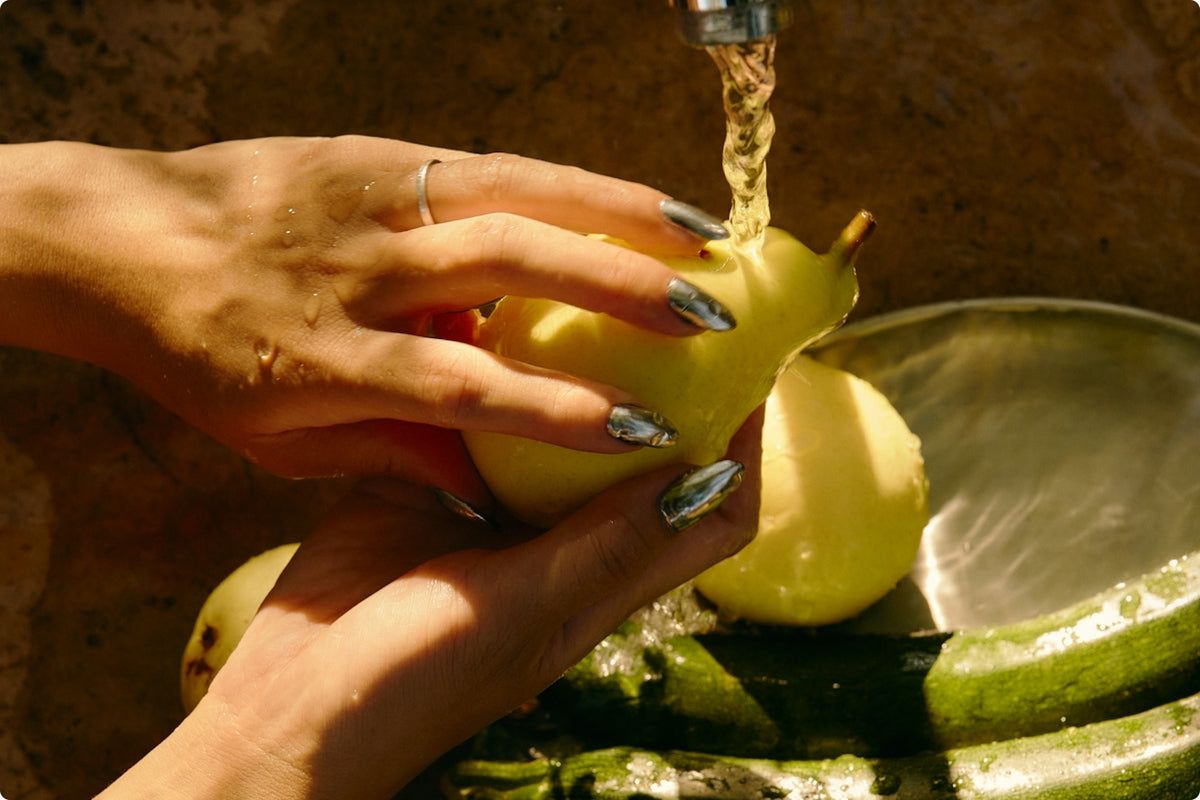
Apples for reduced alcohol absorption
“Apples contain a type of fibre known as pectin which has been shown to impair alcohol absorption,” says Jenna. Whilst more research is needed, eating apples before drinking may mean a lighter hangover.
Bone broth for gut repair and hydration
When your gut lining is inflamed and your stomach feels sensitive, bone broth is one of the most restorative things you can drink. It works wonders for nourishing the gut lining thanks to glycine, collagen-supporting amino acids and naturally occurring minerals. Its sodium content also helps replenish lost electrolytes while the amino acids help calm irritation and inflammation from alcohol’s effects. Gentle on the tummy, it’s a good one if you don’t fancy a full meal too.
Bananas for replenishing potassium
Alcohol is a diuretic, meaning you lose potassium quickly. This can mean feelings of fatigue and nausea. Just one banana delivers a quick potassium boost that’s easy to stomach.
Turmeric or curcumin for inflammation
Alcohol ramps up inflammatory pathways, which is partly why hangovers can feel like “whole-body soreness.” Curcumin (the active compound in turmeric) has well-studied anti-inflammatory effects, meaning it may help calm some of that post-alcohol inflammation and discomfort. Pair it with black pepper to boost absorption, or opt for a high-bioavailability supplement if you want more targeted support.
Sourdough for microbiome-friendly carbs
We can usually all stomach bread (whether a sandwich or slice of toast), but make it sourdough. “It’s a great way to pack in some fermented foods to nourish the gut too,” Jenna explains. Like oats, sourdough delivers steady complex carbs to help stabilise blood glucose too.
Milk thistle for longer term liver support
Milk thistle certainly won’t cure an existing hangover, but it’s one of the most studied herbs for supporting liver resilience over time. It can be a smart addition if you’re in a phase of drinking more frequently.
Your complete “eat your way out of a hangover” plan
Recovering well isn’t about one miracle food, it’s about supporting your liver, gut, electrolytes and blood sugar in the right order. Here’s a super simple routine that will genuinely help you get back on track. Whilst we know none of this is probably not what you fancy at all… it will help.
Straight after waking
This first 30 minutes will set the tone for your entire recovery. Gentle, strategic rehydration is the priority here because your system is low in minerals, irritated and struggling to stabilise itself.
Start with an LMNT electrolyte drink or coconut water and sip a warm ginger tea (or hot water with fresh ginger). Getting outside for a slow walk or just a few minutes of fresh air can also help stimulate circulation, improve oxygenation and ease that heavy, foggy feeling.
Your first meal
This should aim to stabilise blood sugar, support detox pathways and be gentle on the gut… all without overwhelming digestion. Try eggs on sourdough toast with avocado.
Mid-morning
By late morning, energy often dips again so aim to maintain hydration and slow, steady fuel. Try a smoothie with banana, oats, berries and nut butter. This combo provides probiotics, beta-glucans, antioxidants and healthy fats to keep blood sugar stable. Keep sipping electrolytes or coconut water too.
Lunch
This should be your most nutrient-dense meal of the day focused on liver support, gut repair and restoring energy. Try something built around protein (fish, chicken or tofu), cruciferous vegetables (broccoli, cabbage, greens) and complex carbs like quinoa or sweet potato. For bonus points, add sulphur-rich garlic or onions to support glutathione pathways.
Afternoon
This is when cravings likely hit, but stable energy comes from minerals and fibre, not sugar. Try an apple for its pectin content, which may help blunt alcohol absorption while soothing the gut.
Evening
Your final goal is to soothe the gut and support your nervous system before sleep which is the real engine of recovery. Try a warm soup or stew made with plenty of veggies and bone broth. It’s nourishing, gentle and provides glycine and minerals that help calm inflammation. Then prioritise an early night. Deep sleep is when your nervous system recalibrates and your liver works hardest.
The only takeaway your hangover needs
There’s no miracle cure, but there is a smart strategy. A hangover isn’t just dehydration or fatigue. It’s a multi-system stress event involving your liver, gut, blood sugar and brain. Supporting these with the right foods makes a big difference. You may not avoid the hangover entirely, but you can absolutely eat your way through it.
Your most asked hangover questions, answered
What should I eat in the morning after drinking?
A protein-rich meal with eggs and avocado or oats with protein powder helps stabilise blood sugar, support detox pathways and calm an irritated gut.
What foods make a hangover worse?
Greasy fast food, sugary snacks and salty fried meals can worsen dehydration, inflammation and gut symptoms.
How do I rehydrate quickly after alcohol?
The fastest way is with electrolytes. Look for sugar-free ones containing sodium, potassium and magnesium and sip, don’t gulp.
What helps nausea from a hangover?
Ginger (shots, tea or freshly grated), peppermint tea and small, protein-balanced meals can significantly ease hangover-related nausea.
How long does it take for your body to recover from alcohol?
Most hangover symptoms improve within 12-24 hours, but your gut and liver can take several days to fully rebalance.



This article is for informational purposes only, even if and regardless of whether it features the advice of physicians and medical practitioners. This article is not, nor is it intended to be, a substitute for professional medical advice, diagnosis, or treatment and should never be relied upon for specific medical advice. The views expressed in this article are the views of the expert and do not necessarily represent the views of Healf
Samantha Nice is a seasoned wellness writer with over a decade of experience crafting content for a diverse range of global brands. A passionate advocate for holistic wellbeing, she brings a particular focus to supplements, women’s health, strength training, and running. Samantha is a proud member of the Healf editorial team, where she merges her love for storytelling with industry insights and science-backed evidence.
An avid WHOOP wearer, keen runner (with a sub 1:30 half marathon) hot yoga enthusiast and regular gym goer, Samantha lives and breathes the wellness lifestyle she writes about. With a solid black book of trusted contacts (including some of the industry’s leading experts) she’s committed to creating accessible, well-informed content that empowers and inspires Healf readers.